 ListOutlook
Vase Styles and Shapes, Explained
Vase listings mix two languages: shapes, which genuinely change how flowers behave, and styles, which describe a look. Here's the translation for both.
Shapes: the functional language
Bud vase: small, narrow-necked, for one or a few stems — the bedside and table-setting vase. Cylinder: straight sides, any height, the modern default that holds stems upright. Urn: a footed, classical form with a wide mouth for full arrangements. Bottle vase: a long narrow neck over a rounded body, made for single stems and branches. Pitcher and jug forms: handled, informal, cottage in feel. Ginger jars and round or 'ball' vases: swollen bodies with small openings — few stems, lots of presence.
Finishes: matte, glazed, textured
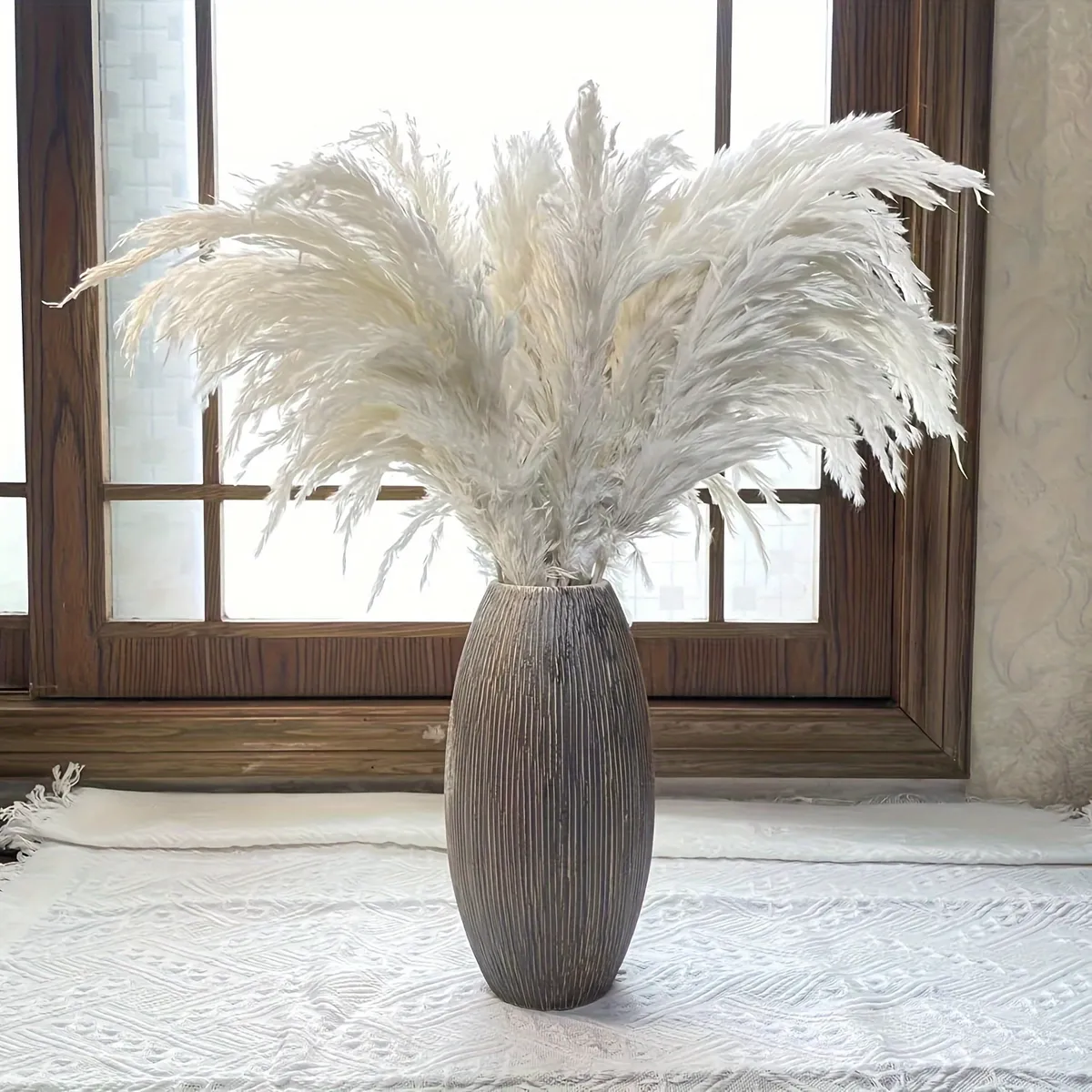
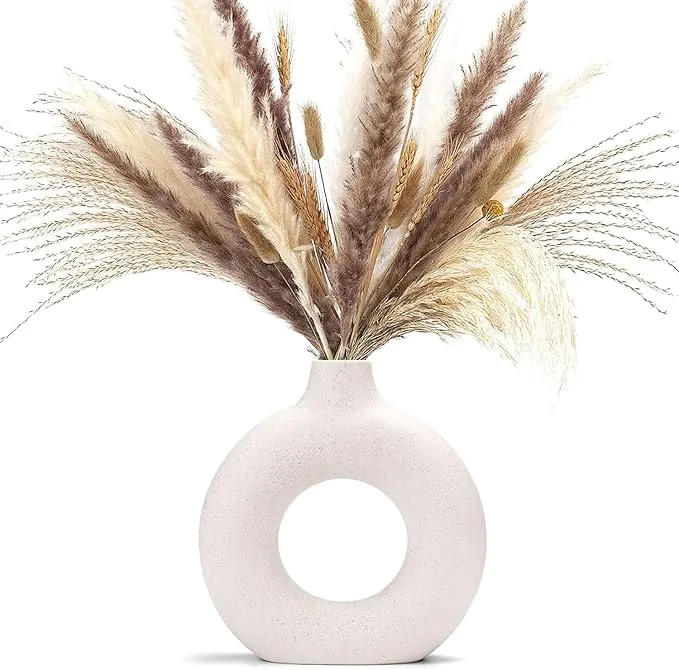
A glazed finish is glossy and sealed — easiest to clean, most likely to be water-safe inside. Matte is the unglossed, chalky surface of modern ceramics; textured and ribbed finishes add shadow and grip. Finish is partly style and partly care, and the care guide below covers the differences.
Styles: the look words
'Modern' and 'minimalist' mean clean lines and little ornament. 'Vintage' signals older forms or aged finishes — new pieces made in an old manner. 'Rustic' and 'farmhouse' lean handmade, textured and earthy; 'boho' is the eclectic, collected version of the same instinct; 'Scandi' pares it back to pale and simple. None of these words measure anything — judge the photos and the dimensions, and let the labels be atmosphere.