 ListOutlook
How to Choose a Vase for Your Flowers: Height, Neck and Weight
Most disappointing arrangements are vase problems, not flower problems. Three things decide whether a bunch stands beautifully or flops: height proportion, neck width and whether the vase holds water.
Height: the rule of thumb
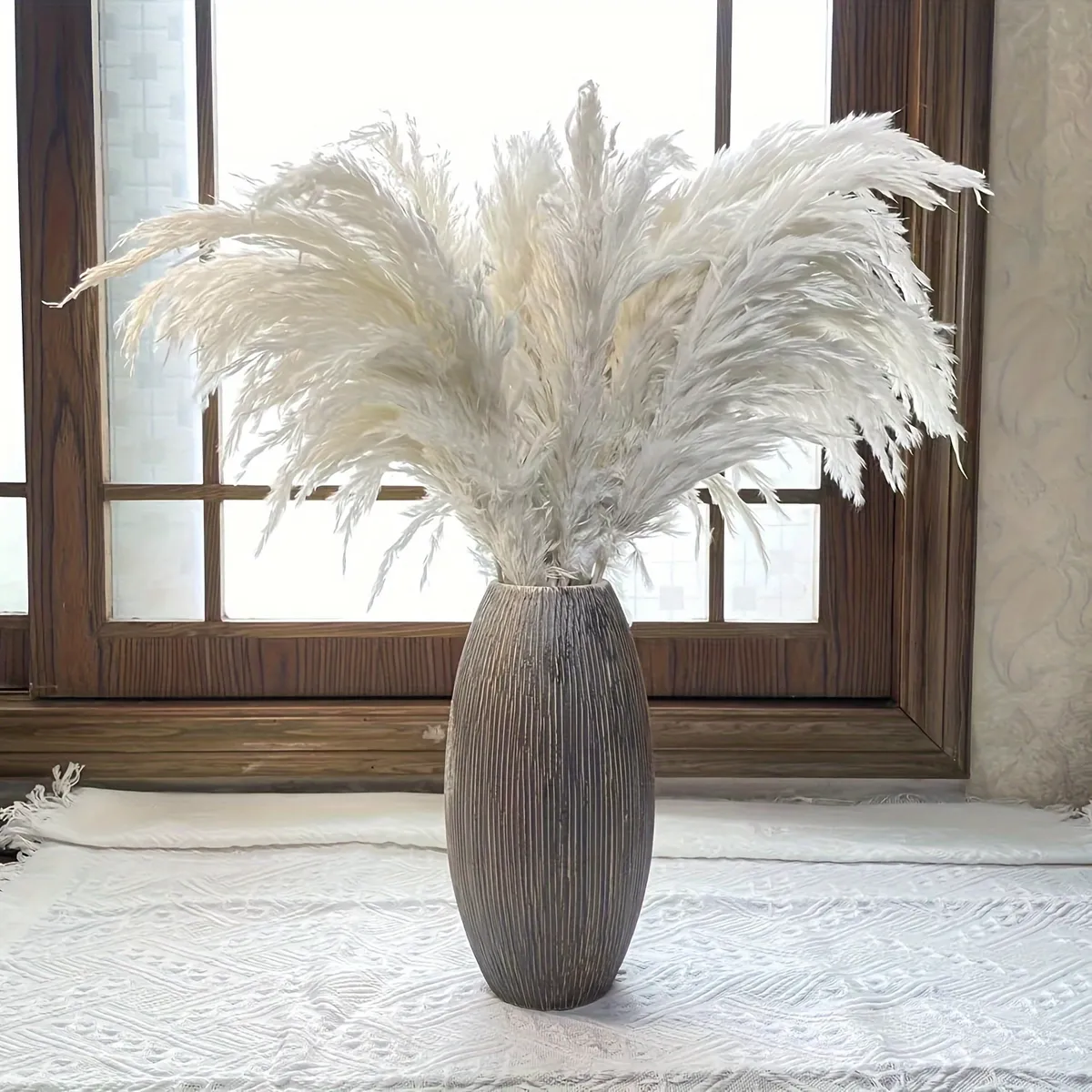
The guidance florists commonly use: the finished arrangement — stems plus flower heads — should stand about one and a half to two times the height of the vase. A 9-inch vase, then, wants stems cut to give a total arrangement of roughly 14 to 18 inches. Much shorter and the flowers look swallowed; much taller and the arrangement turns top-heavy and tipsy. Treat it as a starting proportion, not a law — trailing and architectural arrangements break it deliberately.
Neck width: the stem counter
The neck decides how many stems the vase can organise. A narrow neck holds a few stems upright and does the arranging for you — ideal for single varieties and branches. A wide mouth takes a full mixed bouquet but needs the stems crossed and arranged to hold each other up. Match the vase to the bunch you actually buy, not the bunch in the florist's window.
Weight, shape and water
Tall stems are top-heavy, so a vase with some weight and a decent base spread is a practical virtue — stoneware and thick ceramic earn their keep here. And the unglamorous check that outranks all styling: is it watertight? Decorative vases made for dried stems may seep with real water. This index marks the vases whose listings state they hold water; for the rest, use dried stems or a liner.
Keep comparing
From the index
 ALMA
ALMA Ceramic Boho Vase — White, 9 in tall
 Artissance
 Terracotta Vintage Vase — Grey, 10 in tall
 Bloomingville
 Stoneware Vase — Cream, 8.5 in tall
 Bloomingville